
Just Deploy It!

Categories
Uncategorized

Pressure Transmitter Suppliers: Ensuring Accurate Industrial Measurements

In modern industries, precise monitoring and control of pressure is essential for safe and efficient operations. Pressure transmitters are critical instruments used to measure and transmit pressure data in various industrial applications. From water treatment plants to chemical processing, these devices ensure accurate readings, process efficiency, and operational safety. Finding reliable pressure transmitter suppliers is key to maintaining consistent performance across industrial systems.

What is a Pressure Transmitter?

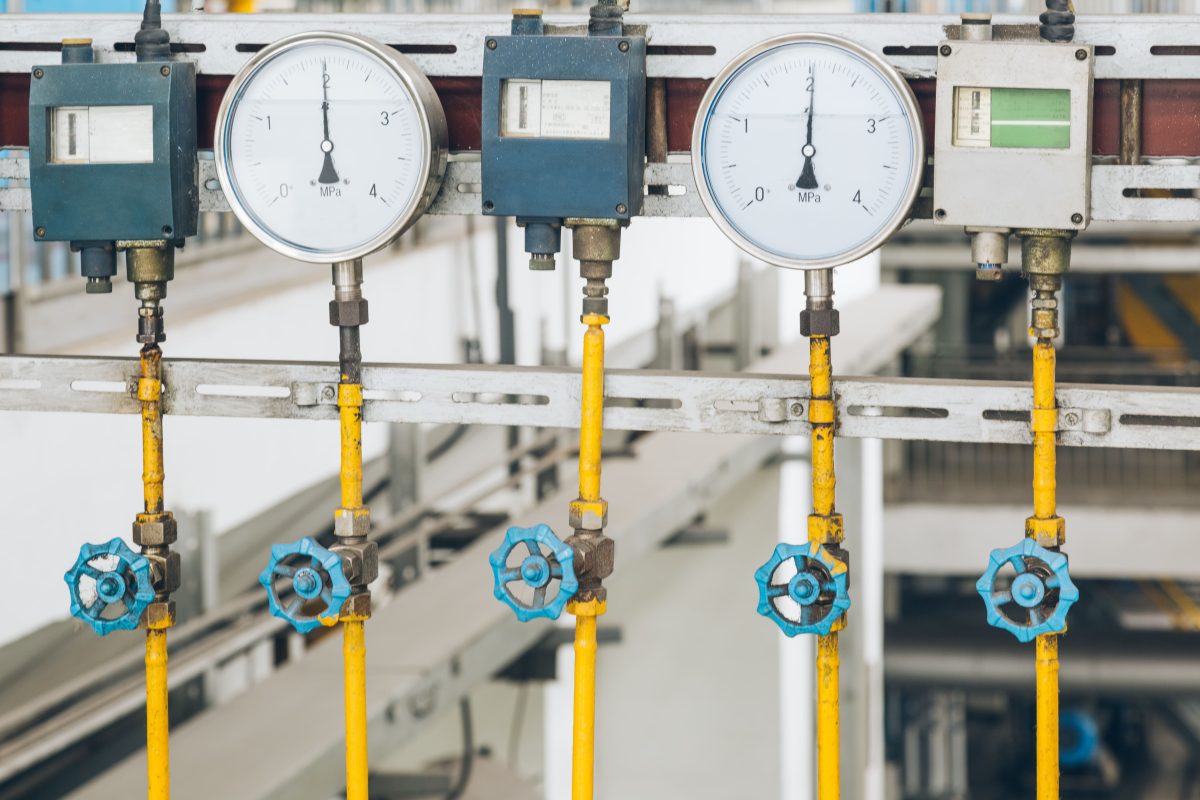
A pressure transmitter is a sensor that measures the pressure of gases or liquids and converts it into an electrical signal for monitoring or control purposes. Unlike basic pressure gauges, transmitters provide real-time data, allowing for automation and process optimization. They are widely used in industries such as oil and gas, pharmaceuticals, food and beverage, and water management.

Types of Pressure Transmitters

Pressure transmitters come in various types to suit different industrial needs:

  1. Gauge Pressure Transmitters – Measure pressure relative to atmospheric pressure.
  2. Absolute Pressure Transmitters – Measure pressure relative to a perfect vacuum.
  3. Differential Pressure Transmitters – Measure the difference between two points, useful for flow and level monitoring.
  4. Hydrostatic Pressure Transmitters – Used for measuring liquid levels in tanks or reservoirs.

Selecting the right type depends on the application, required accuracy, and environmental conditions.

Applications of Pressure Transmitters

Pressure transmitters are used in a wide range of industrial processes:

  • Chemical and Petrochemical Industries – Monitor pressure in pipelines and reactors for safe and efficient processing.
  • Water and Wastewater Treatment – Track pressure in pumps and tanks to ensure consistent flow and system reliability.
  • Food and Beverage – Maintain proper pressure in tanks, pasteurizers, and pipelines for quality control.
  • Oil and Gas – Monitor wellhead and pipeline pressure for safe extraction and distribution.
  • Pharmaceuticals – Ensure precise pressure control in production processes, maintaining quality and compliance standards.

Key Features to Look for in Pressure Transmitters

When choosing pressure transmitters from suppliers, consider the following features:

  • High Accuracy – Ensures reliable measurements critical for industrial control.
  • Wide Measurement Range – Capable of handling low to high-pressure applications.
  • Robust Construction – Durable against harsh industrial environments, including temperature fluctuations and corrosive substances.
  • Compatibility with Control Systems – Seamless integration with PLCs, SCADA, and DCS for automated operations.
  • Low Maintenance – Long-lasting performance with minimal servicing requirements.

Benefits of Working with Reliable Pressure Transmitter Suppliers

Partnering with trusted pressure transmitter suppliers provides several advantages:

  1. Quality Assurance – Suppliers provide certified, calibrated instruments that meet industrial standards.
  2. Technical Support – Expert guidance for selecting the right transmitter for specific applications.
  3. Customization – Options for transmitters tailored to unique operational requirements.
  4. After-Sales Service – Maintenance, calibration, and troubleshooting support to ensure long-term performance.

Reliable suppliers can help industries maintain accuracy, reduce downtime, and enhance overall operational efficiency.

Trends in Pressure Transmitters

With technological advancements, modern pressure transmitters now include:

  • Digital Output – Providing real-time monitoring and remote data access.
  • Wireless Connectivity – Reducing the need for extensive cabling and simplifying installations.
  • Smart Sensors – Capable of self-diagnosis, alerting operators of potential failures before they occur.
  • Multi-Parameter Transmitters – Measuring pressure, temperature, and level simultaneously for comprehensive process control.

These features are increasingly demanded across industries to improve automation and optimize resource use.

How to Choose the Right Pressure Transmitter Supplier

When sourcing a pressure transmitter, it is important to evaluate suppliers on the following criteria:

  • Product Range – Availability of diverse transmitter types, including gauge, absolute, and differential pressure.
  • Experience – Track record of supplying high-quality industrial instruments.
  • Compliance – Products adhering to international standards such as IEC, ISO, and ATEX certifications.
  • Support Services – Installation, calibration, and maintenance assistance.

Selecting the right supplier ensures reliable instruments, timely delivery, and effective support for long-term industrial operations.

Conclusion

Pressure transmitters are indispensable tools for industrial process control, offering accurate measurements and reliable data for automation. Choosing the right pressure transmitter supplier ensures consistent quality, durability, and support for various industrial applications. From water treatment and oil and gas to pharmaceuticals and food processing, these instruments help industries maintain operational efficiency, safety, and productivity.
Categories
Uncategorized

Rooftop Solar Installation: A Sustainable Energy Solution for Homes and Businesses

The shift towards renewable energy is becoming increasingly vital as the world grapples with rising energy demands and environmental concerns. One of the most practical and efficient solutions today is rooftop solar installation. These systems harness sunlight to generate electricity, providing sustainable power while reducing dependency on conventional energy sources. Rooftop solar systems are suitable for both residential and commercial properties, offering numerous benefits that go beyond cost savings.

What is Rooftop Solar Installation?

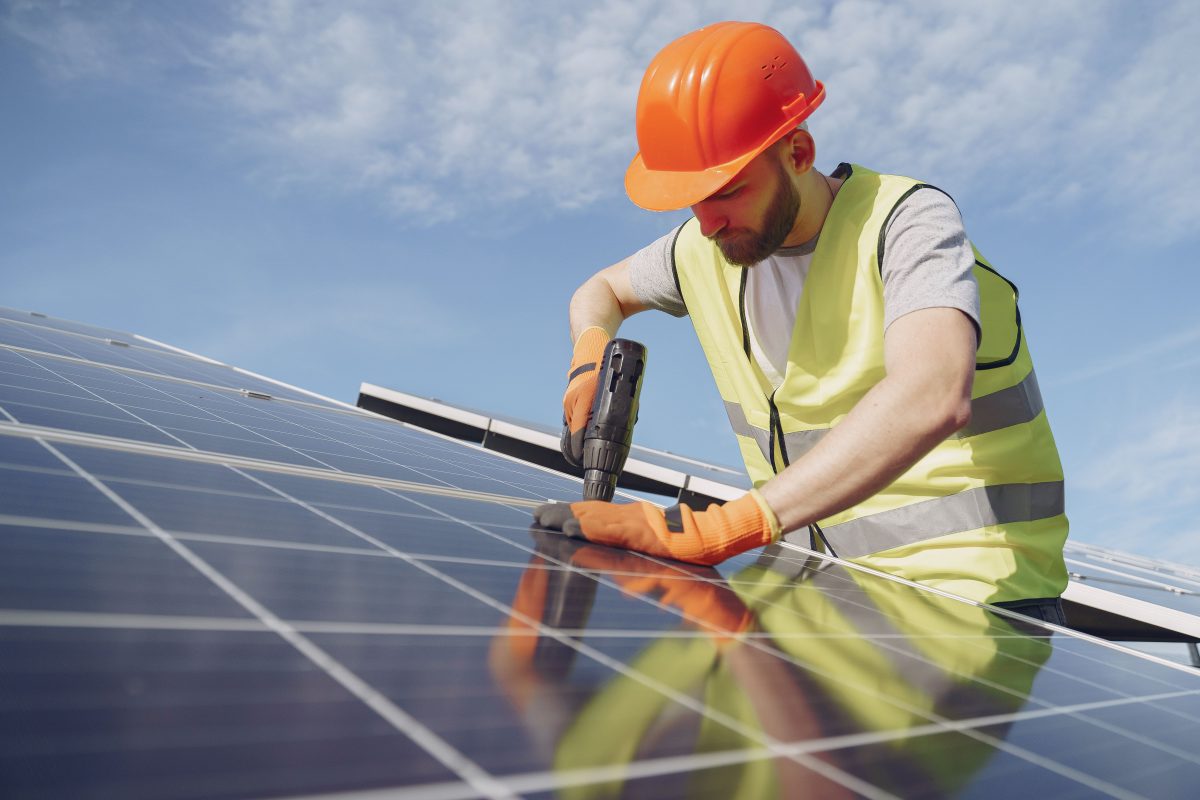
A rooftop solar system is a photovoltaic (PV) setup installed on the roof of a building. It converts sunlight directly into electricity using solar panels, inverters, and supporting equipment. The electricity generated can either be used immediately or fed back into the grid, depending on the system design. Rooftop solar is particularly effective in urban areas, where space for large-scale solar farms may be limited but roof space is abundant.

Benefits of Rooftop Solar Systems

1. Reduced Electricity Bills

One of the most immediate benefits of rooftop solar installation is the potential to lower electricity bills. By generating your own power, you can reduce reliance on the grid, especially during peak hours when electricity rates are higher.

2. Eco-Friendly and Sustainable

Solar energy is clean, renewable, and abundant. Unlike fossil fuels, it doesn’t produce harmful emissions or contribute to environmental pollution. Installing rooftop solar panels helps reduce your carbon footprint and supports a more sustainable energy ecosystem.

3. Energy Independence

Rooftop solar systems provide a level of energy independence. By generating your own electricity, you become less affected by rising energy costs or power outages. In some cases, with battery storage, you can store surplus energy for later use.

4. Government Incentives and Subsidies

Many governments encourage the adoption of rooftop solar systems through incentives and subsidies. These policies make it more affordable for both homeowners and businesses to invest in solar energy, improving return on investment.

5. Increase in Property Value

Properties with installed rooftop solar systems are often valued higher in the real estate market. The ability to generate renewable energy is considered a modern and desirable feature for homes and commercial buildings.

Types of Rooftop Solar Systems

Rooftop solar systems are generally categorized into three types:

  1. Grid-Connected Systems: These are connected to the main electricity grid. Excess energy can be fed back to the grid, and you can draw power from the grid when solar generation is insufficient.
  2. Off-Grid Systems: These systems are independent of the electricity grid and often paired with battery storage to ensure continuous power supply.
  3. Hybrid Systems: Hybrid setups combine the benefits of both grid-connected and off-grid systems, allowing flexibility in energy usage and storage.

Key Components of a Rooftop Solar Installation

  • Solar Panels: Capture sunlight and convert it into electricity.
  • Inverter: Converts direct current (DC) from panels into alternating current (AC) for use in homes or businesses.
  • Mounting Structure: Supports and positions panels at the optimal angle for maximum sunlight exposure.
  • Battery Storage (Optional): Stores surplus energy for use during non-sunny periods or power outages.
  • Monitoring System: Tracks energy production and usage to optimize efficiency.

Factors to Consider Before Installation

Before installing a rooftop solar system, it’s important to assess:

  • Roof Space and Orientation: Sufficient, unobstructed space and proper orientation towards the sun improve energy output.
  • Shading: Trees, buildings, or other structures casting shadows can reduce efficiency.
  • Energy Requirements: Understanding daily energy consumption helps determine the system size.
  • Local Regulations: Some regions have specific codes or permits required for rooftop solar installations.

Why Rooftop Solar is Ideal for Businesses and Homes

For businesses, rooftop solar systems reduce operational costs and enhance corporate sustainability profiles. For residential properties, they offer long-term savings on electricity bills while promoting a greener lifestyle. With the decreasing cost of solar panels and increasing efficiency, rooftop solar installation has become an accessible solution for everyone.

Conclusion

Rooftop solar installation is more than just an investment in energy it’s a commitment to sustainability, efficiency, and cost savings. By utilizing the available roof space, both homeowners and businesses can generate clean, renewable energy, reduce carbon emissions, and become less dependent on conventional power sources. With the right planning and installation, rooftop solar systems can deliver reliable performance and significant long-term benefits.